Best Electric Cars · EVCar Data Desk
BMW 550e xDrive vs M5 Touring: EPA Range and Recall Facts
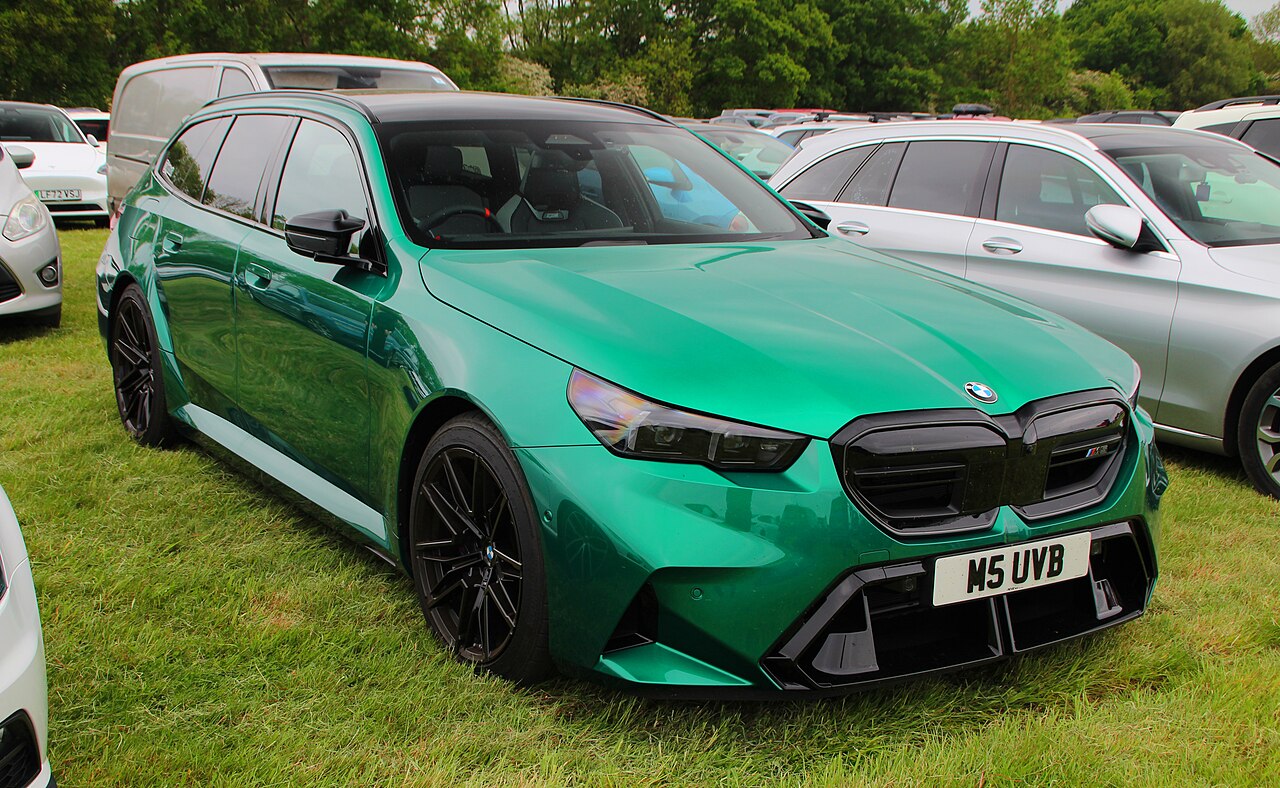
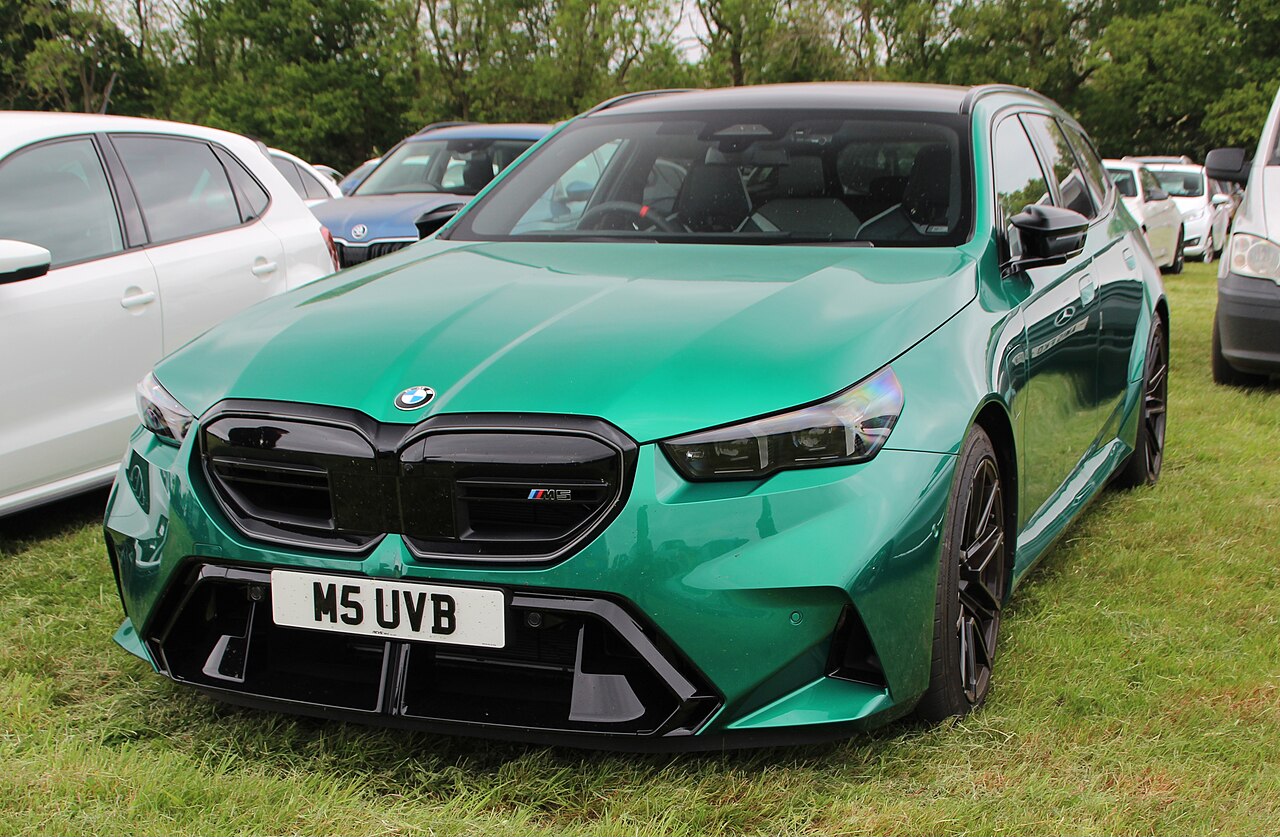
The 2027 BMW 550e xDrive sedan and M5 Touring wagon provide distinct experiences in performance, efficiency, and practicality, making it critical to understand their EPA range and recall histories when selecting between them. The 550e xDrive stands out with a much longer EPA-estimated all-electric range and greater combined energy efficiency, while both models currently have no recalls. Buyers seeking longer electric driving range and better energy economy will prefer the 550e, whereas those prioritizing sporty wagon versatility must assess the shorter range and efficiency trade-offs of the M5 Touring.
Key Findings
- The 2027 BMW 550e xDrive offers an EPA range of 430 miles, considerably more than the M5 Touring's 270 miles.
- Combined MPGe for the 550e xDrive stands at 25 MPGe, nearly double the M5 Touring's 13 MPGe.
- City and highway MPGe ratings show the 550e xDrive is more efficient in all driving conditions (22 MPGe city, 28 MPGe highway) compared to the M5 Touring (11 MPGe city, 17 MPGe highway).
- Both vehicles have zero reported NHTSA recalls as of the latest data.
- EPA 240V charge times are identical at 2.00 hours, facilitating relatively quick recharging for both models.
EPA Range Comparison and Its Impact for Buyers
The 550e xDrive sedan leads in EPA range by a wide margin, offering 430 miles compared to the M5 Touring's 270 miles. This nearly 60% greater estimated range translates into less frequent charging stops and more confidence for those with longer daily drives or road trips. Buyers valuing extended electric driving capabilities and reduced range anxiety will find the 550e's range advantage significant.
The M5 Touring's range, while respectable for a performance-oriented wagon, will likely appeal more to buyers who prioritize sporty handling, cargo versatility, or a distinct wagon body style over maximum electric distance.
Energy Efficiency: MPGe Ratings Explained
The 550e xDrive's combined MPGe of 25 MPGe suggests it uses electricity more efficiently than the M5 Touring, which has a combined 13 MPGe. This efficiency gap is consistent across city and highway driving, where the 550e achieves 22 MPGe city and 28 MPGe highway, compared to the M5 Touring's 11 MPGe city and 17 MPGe highway.
Higher MPGe indicates less electrical energy is required per mile, providing lower operating costs and potentially less frequent charging when used in typical daily conditions. Buyers focused on maximizing efficiency and minimizing energy expenses should favor the 550e sedan over the M5 Touring.
Charging Times and Practicality
Both vehicles share the same EPA 240V Level 2 charging time of 2.00 hours, enabling relatively quick replenishment of their batteries overnight or during short stops. This parity means charging convenience will be similar regardless of which BMW model a buyer chooses.
The shorter range of the M5 Touring means charging is required more often, but its equivalent charge speed maintains some practicality for urban and suburban usage.
No Recalls Reported for Either Model
Safety-conscious buyers will appreciate that both the 2027 550e xDrive sedan and M5 Touring wagon have zero NHTSA recalls recorded at present. This reflects a clean safety record based on currently available data, reducing immediate concerns about necessary repairs or safety updates related to recalls.
Who Should Choose the 550e xDrive Sedan?
Those prioritizing long electric driving range, higher energy efficiency, and lower operational cost benefits will gravitate toward the 550e xDrive sedan. Its range and MPGe numbers make it a strong choice for commuters with longer routes and budget-minded drivers wanting superior electric efficiency.
Who Should Choose the M5 Touring Wagon?
Buyers seeking a spacious wagon body style that delivers sporty performance and utility but can accept a shorter EPA range and lower MPGe may prefer the M5 Touring. Its driving dynamics and cargo capacity suit those for whom the versatility and style of a wagon are more important than maximizing electric range or efficiency.
| Specification | BMW 550e xDrive Sedan | BMW M5 Touring Wagon |
|---|---|---|
| EPA Range | 430 miles | 270 miles |
| Combined MPGe | 25 MPGe | 13 MPGe |
| City MPGe | 22 MPGe | 11 MPGe |
| Highway MPGe | 28 MPGe | 17 MPGe |
| 240V Charge Time | 2.00 hours | 2.00 hours |
| NHTSA Recalls | 0 recalls | 0 recalls |
Frequently Asked Questions
Which BMW has a longer EPA-estimated range?
The 2027 BMW 550e xDrive sedan has a longer range at 430 miles compared to the M5 Touring's 270 miles.
How do their MPGe ratings compare?
The 550e xDrive is more efficient, with a combined MPGe of 25, whereas the M5 Touring offers 13 MPGe.
Are there any safety recalls for these vehicles?
No; both vehicles have zero reported recalls according to the latest NHTSA data.
What is the typical charge time using a 240V Level 2 charger?
Both models require about 2.00 hours to fully charge with a Level 2 charger.
Which model is better for city driving efficiency?
The BMW 550e xDrive sedan is more efficient in city driving with 22 MPGe compared to 11 MPGe for the M5 Touring.
Conclusion
When comparing the 2027 BMW 550e xDrive sedan and the M5 Touring wagon, the sedan offers a substantial advantage in EPA range and energy efficiency without compromising the convenience of charging speed. The zero recall count for both models adds to their appeal from a safety and reliability standpoint. Buyers who prioritize electric driving range, cost-effective electricity use, and longer trips will find the 550e xDrive is better aligned with these needs. Conversely, those drawn to the spacious, dynamic wagon experience and willing to manage a shorter range and lower MPGe could select the M5 Touring. Ultimately, understanding these data points empowers buyers to pick the BMW model that best matches their lifestyle and driving habits.