Best Electric Cars · EVCar Data Desk
BMW 550e xDrive vs Volvo EX90: EPA Range and Recalls Compared
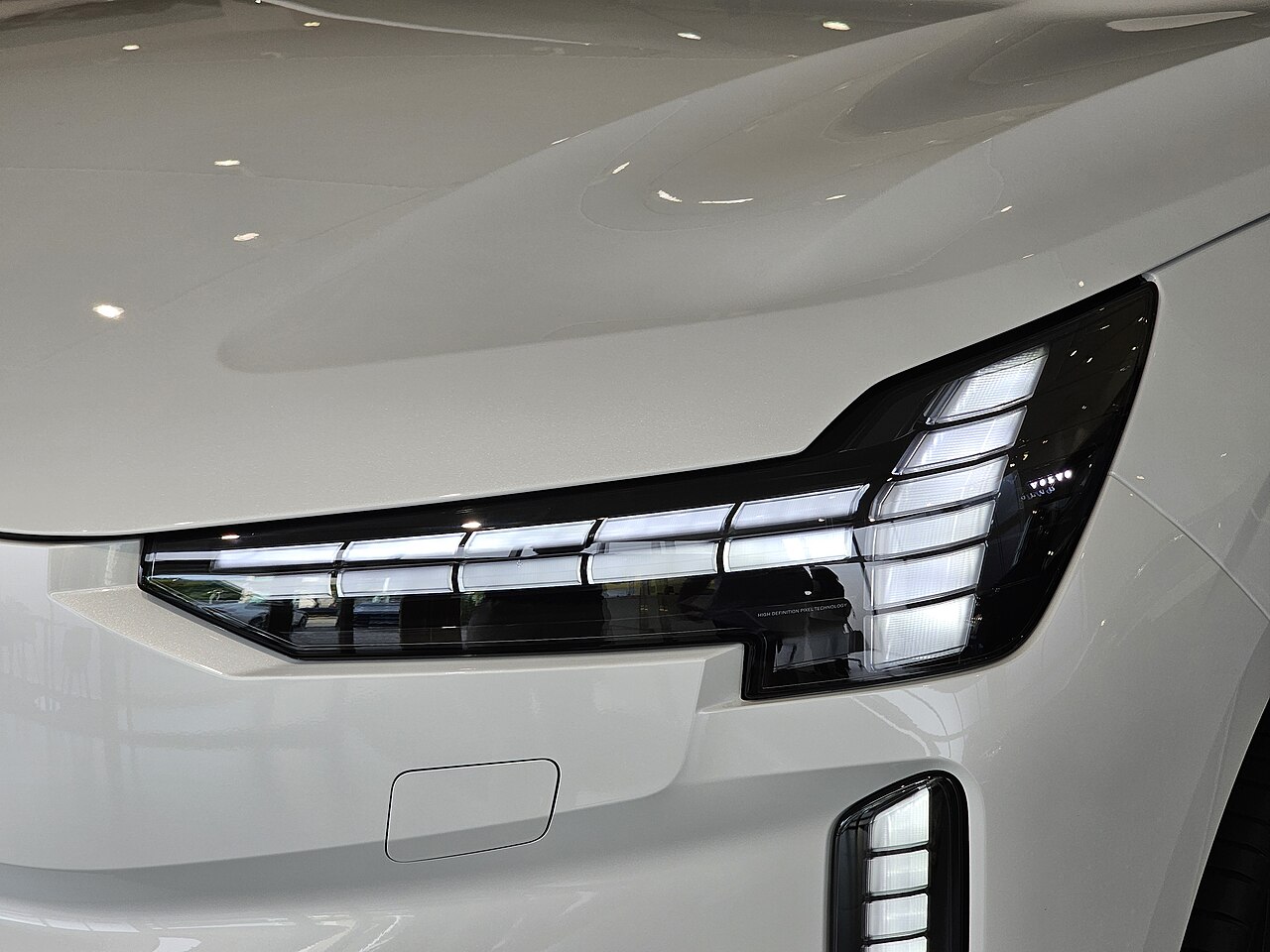
The 2027 BMW 550e xDrive sedan stands out with a significantly longer EPA estimated driving range than the 2027 Volvo EX90 Twin Motor Performance SUV. However, their efficiency and charging characteristics reveal differing strengths suited to different buyer priorities.
Key Findings
- The BMW 550e xDrive offers an EPA range of 430 miles, substantially surpassing the Volvo EX90's 300 miles.
- Volvo EX90 delivers much higher combined efficiency at 87 MPGe compared to the BMW's 25 MPGe.
- Both the BMW 550e xDrive and Volvo EX90 have zero open safety recalls as per the latest NHTSA data.
- Charging times differ markedly, with the BMW capable of a full EPA 240V charge in 2 hours, while the Volvo takes about 11 hours.
- The Volvo EX90's SUV body and all-wheel drive offer utility and off-road potential unlike the BMW's midsize sedan configuration.
EPA Estimated Driving Range
The BMW 550e xDrive sedan delivers an EPA range of 430 miles, which is a significant advantage if your priority is long-distance travel without frequent recharging. This range is indicative of its plug-in hybrid drivetrain supported by a gasoline engine extending total range.
In contrast, the Volvo EX90 Twin Motor Performance, a fully electric SUV, provides an EPA range of 300 miles. While shorter, this range is competitive for a vehicle positioned as a spacious electric SUV with twin motors and standard all-wheel drive.
Energy Efficiency and MPGe Ratings
Efficiency measured in miles per gallon equivalent (MPGe) shows the Volvo EX90's electric drivetrain excels with a combined rating of 87 MPGe. Its city and highway MPGe are 92 MPGe and 82 MPGe, respectively, reflecting excellent energy use especially in urban settings.
The BMW 550e xDrive's combined rating of 25 MPGe is much lower, consistent with its plug-in hybrid system where fuel consumption during gasoline operation reduces overall efficiency ratings. Its city and highway MPGe are 22 MPGe and 28 MPGe, respectively.
Charging Times and Practicality
Charging convenience is critical to EV ownership. The BMW hybrid's shorter EPA 240V charging time of 2 hours allows drivers to replenish its battery quickly, minimizing downtime.
The Volvo EX90, being purely electric, requires a longer charging session of approximately 11 hours on a Level 2 charger. This duration is typical for full battery replenishment in electric SUVs of this size and can influence daily routines.
Recall History and Reliability Insights
Neither the BMW 550e xDrive nor the Volvo EX90 has any active recalls according to the National Highway Traffic Safety Administration (NHTSA) data. This clean slate indicates no current widespread safety issues for either model as of the latest retrieval.
Vehicle Type and Ownership Considerations
The BMW 550e xDrive is a midsize sedan which may appeal to buyers focused on traditional luxury and extended driving range, blending electric drive with gasoline backup. Its efficiency is reduced relative to a pure EV, but the range and fast charging offset this for long commutes or travel.
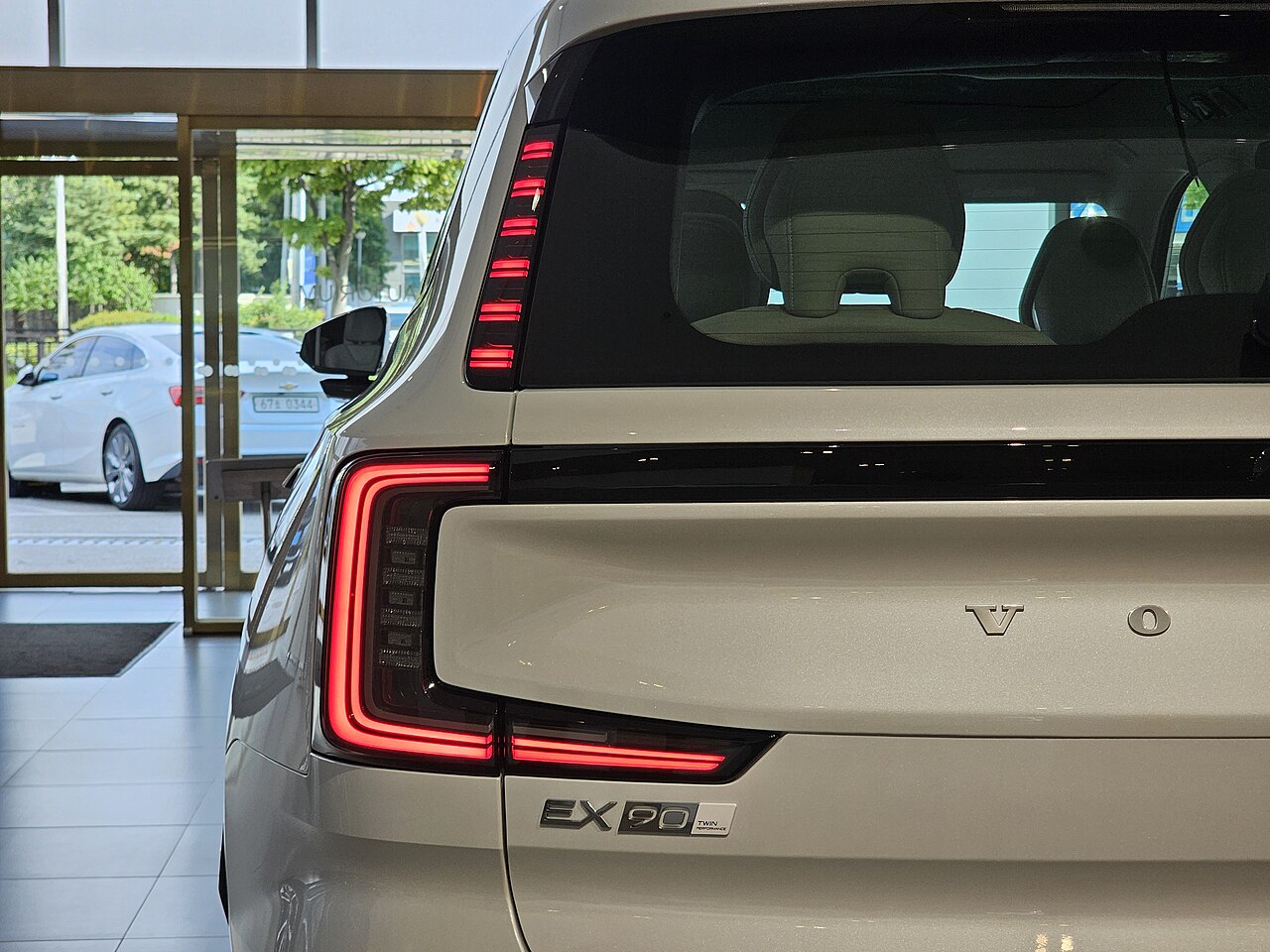
The Volvo EX90, as a twin motor electric SUV with all-wheel drive, suits buyers needing a larger, versatile vehicle with zero tailpipe emissions and higher electric efficiency. Its shorter range and longer charging time mean it fits best with more routine, daily urban or suburban driving with scheduled home or workplace charging.
| Specification | BMW 550e xDrive | Volvo EX90 Twin Motor |
|---|---|---|
| EPA Range | 430 miles | 300 miles |
| Combined MPGe | 25 MPGe | 87 MPGe |
| City MPGe | 22 MPGe | 92 MPGe |
| Highway MPGe | 28 MPGe | 82 MPGe |
| EPA 240V Charge Time | 2 hours | 11 hours |
| NHTSA Recalls | 0 recalls | 0 recalls |
Frequently Asked Questions
Which vehicle has a longer EPA range?
The BMW 550e xDrive has a longer EPA estimated driving range of 430 miles compared to the Volvo EX90’s 300 miles.
How do their energy efficiencies compare?
The Volvo EX90’s fully electric powertrain offers a combined efficiency of 87 MPGe, much higher than the BMW 550e xDrive’s 25 MPGe plug-in hybrid efficiency.
Are there any open recalls on these models?
Neither the BMW 550e xDrive nor the Volvo EX90 has any active recalls according to the latest NHTSA data.
How long does it take to charge each vehicle on a 240V Level 2 charger?
The BMW can charge fully in about 2 hours, whereas the Volvo requires approximately 11 hours.
Which vehicle is better suited for family and cargo needs?
The Volvo EX90 is an electric SUV with spacious seating and cargo capacity, making it better suited for families and hauling needs compared to the midsize BMW 550e sedan.
Conclusion
Choosing between the 2027 BMW 550e xDrive sedan and the Volvo EX90 twin motor electric SUV requires weighing range against efficiency and vehicle type. The BMW 550e xDrive’s extended EPA range of 430 miles and fast Level 2 charging in 2 hours benefit drivers with longer daily travel needs or infrequent access to charging. Meanwhile, the Volvo EX90’s superior electric efficiency measured at 87 MPGe, zero emissions, and SUV practicality appeal to environmentally focused buyers requiring passenger capacity and versatile use.
Both models have an unblemished recall record currently, adding peace of mind on safety. Ultimately, selecting based on your driving patterns, preference for fully electric versus plug-in hybrid systems, and space requirements will guide the best fit.
Data Sources
- EPA Fuel Economy Data (2026-08-14 retrieval)
- NHTSA Recall Data (2026-08-14 retrieval)