Tesla Alternatives · EVCar Data Desk
BMW M5 vs Tesla Model Y: Range, Efficiency, and Charging Differences
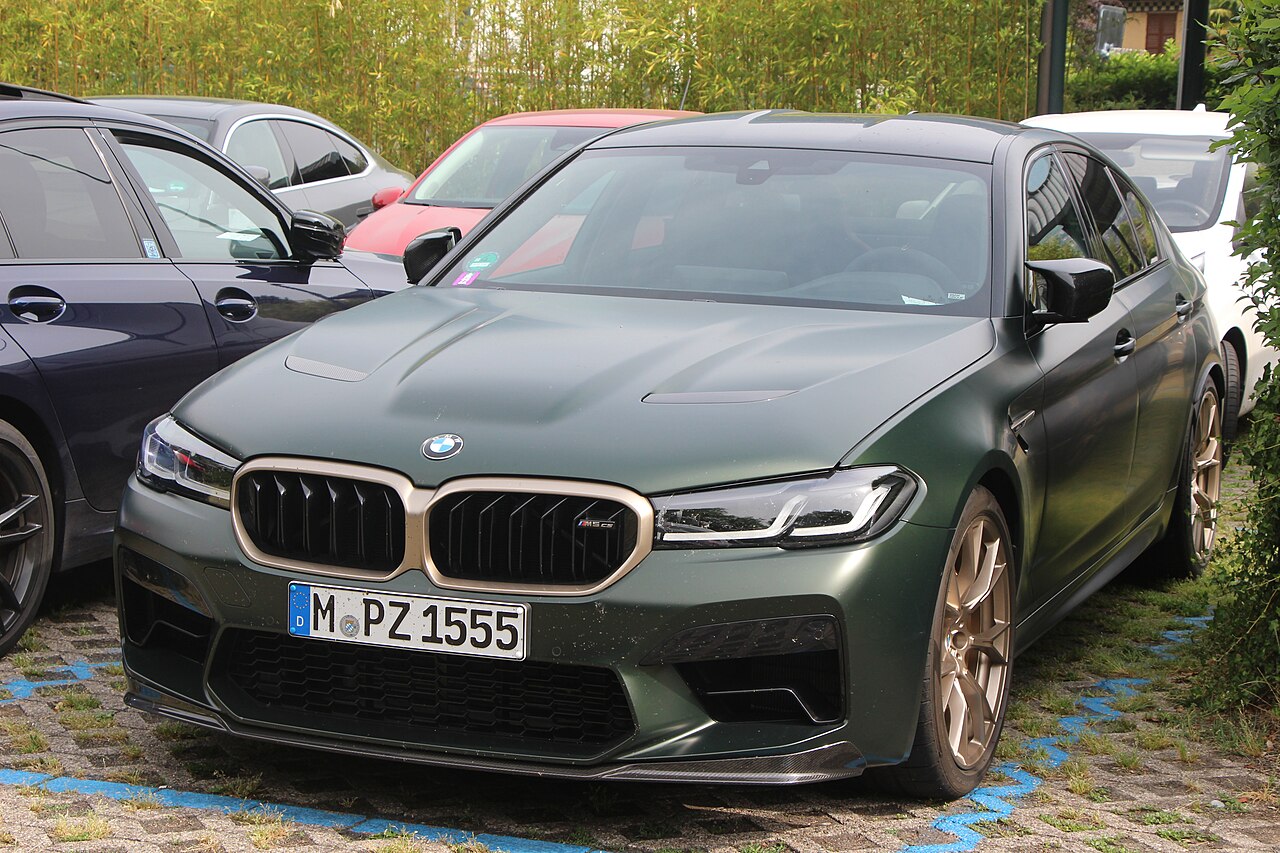
When comparing the BMW M5 midsize sedan and the Tesla Model Y Standard RWD (19in wheels) small SUV, buyers face distinct tradeoffs in electric driving range, energy efficiency, and charging tempo despite both vehicles having zero NHTSA recalls as of 2026. The Tesla Model Y offers a longer EPA-estimated driving range and far superior energy efficiency measured in MPGe, while the BMW M5 emphasizes a shorter charge time. Understanding these differences helps identify which vehicle fits different buyer priorities.
Key Findings
- The Tesla Model Y has an EPA range of 303 miles, outdistancing the BMW M5's 280 miles.
- Energy efficiency (combined MPGe) heavily favors the Tesla with 131 MPGe vs. BMW’s 14 MPGe.
- City driving efficiency shows an even larger gap: Tesla’s 142 MPGe against BMW’s 12 MPGe.
- BMW offers a faster Level 2 charging time of 2.00 hours compared to Tesla’s 10.00 hours.
- Neither car has reported NHTSA recalls, indicating comparable immediate safety compliance.
EPA Range Comparison: Tesla Leads But BMW Is Competitive
The EPA range estimates represent the maximum distance each vehicle can travel under ideal conditions on a single full charge. The Tesla Model Y’s 303-mile range modestly exceeds the BMW M5’s 280-mile EPA rating, suggesting roughly an 8% advantage in distance before recharge. For buyers prioritizing maximum all-electric travel, Tesla’s edge in range aligns with its SUV package, offering both utility and extended cruising ability.
Energy Efficiency: A Stark Divide in MPGe
The combined MPGe metric reflects how effectively each vehicle converts stored electrical energy into miles driven. The Tesla's 131 MPGe is nearly ten times greater than the BMW M5’s 14 MPGe. This disparity reveals that the Tesla Model Y is much more economical in energy use, likely resulting in lower electricity consumption and operating costs per mile.
City MPGe further amplifies this difference with Tesla’s 142 MPGe, reflecting very efficient urban driving, while BMW’s 12 MPGe indicates substantially higher energy demands under stop-and-go conditions. Highway MPGe narrows this gap somewhat: Tesla’s 120 MPGe vs. BMW’s 19 MPGe—yet Tesla remains significantly more efficient even on steady-speed roads.
Charging Times: BMW’s Advantage on Level 2 Charging
Charging infrastructure and time strongly influence EV usability. The Tesla Model Y's EPA 240V Level 2 charge time of 10.00 hours suggests an overnight recharge scenario for a full battery replenishment. In contrast, the BMW M5 shows a substantially shorter Level 2 charging duration of 2.00 hours, which could accommodate quicker top-ups for urban or commuting drivers.
This difference likely reflects battery capacity or charging rate limits and could be a critical factor for buyers who cannot rely on fast charging networks or need shorter downtime between drives.
Recall History: No Reported Issues for Both Models
The NHTSA recall count is zero for both the 2026 Tesla Model Y Standard RWD and the 2027 BMW M5, indicating no known safety or defect recalls as of the latest data. Buyers can be reassured that current regulatory bodies have not flagged these models for widespread safety or reliability concerns, at least from a recall standpoint.
Vehicle Type and Usage Considerations
The Tesla Model Y’s classification as a small sport utility vehicle likely offers more interior space, a higher seating position, and additional cargo room compared to the midsize sedan layout in the BMW M5. Buyers seeking a blend of performance and passenger/cargo versatility may find the Tesla better suited to family or outdoor activities.
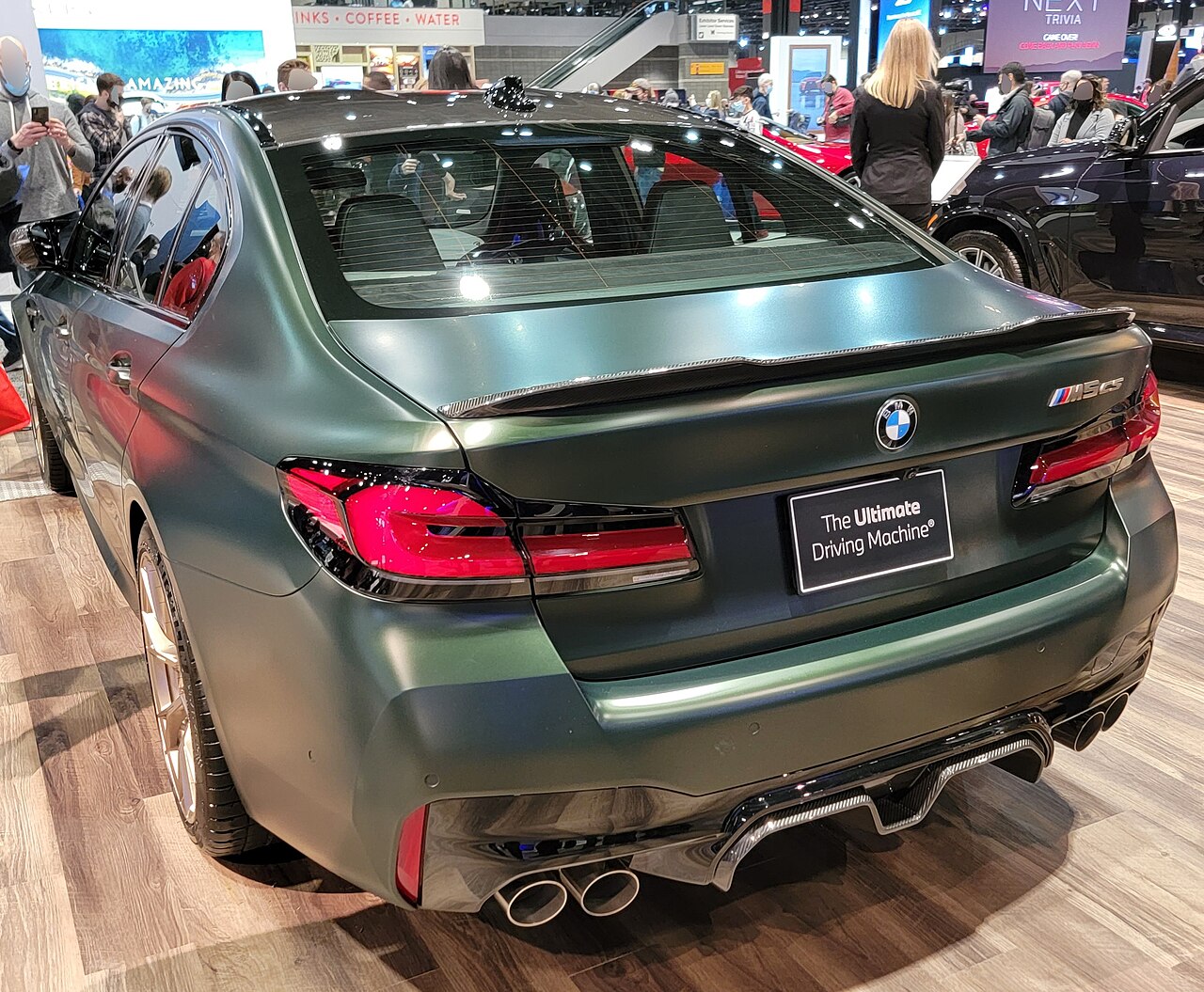
Conversely, the BMW M5 appeals to drivers looking for traditional sedan styling, potentially sportier driving dynamics, and quicker charging convenience at home or work. Those valuing luxury sedan characteristics might choose the BMW despite lower efficiency and slightly less range.
| Specification | 2026 Tesla Model Y Standard RWD | 2027 BMW M5 Sedan |
|---|---|---|
| EPA Range | 303 miles | 280 miles |
| Combined MPGe | 131 MPGe | 14 MPGe |
| City MPGe | 142 MPGe | 12 MPGe |
| Highway MPGe | 120 MPGe | 19 MPGe |
| Level 2 Charge Time (240V) | 10.00 hours | 2.00 hours |
| NHTSA Recalls | 0 recalls | 0 recalls |
Frequently Asked Questions
Which vehicle offers better driving range?
The 2026 Tesla Model Y Standard RWD has an EPA range of 303 miles, slightly surpassing the BMW M5’s 280 miles.
How do the vehicles compare on energy efficiency?
The Tesla Model Y is far more efficient with a combined MPGe of 131 MPGe compared to the BMW M5's 14 MPGe.
What about charging speed differences?
The BMW M5 can fully charge on a Level 2 charger in about 2 hours, while the Tesla Model Y takes roughly 10 hours.
Are there any safety recalls for these models?
Neither the 2026 Tesla Model Y Standard RWD nor the 2027 BMW M5 Sedan has any reported NHTSA recalls.
Which vehicle type is more practical for families?
The Tesla Model Y, being a small SUV, generally offers more cargo and passenger space compared to the midsize sedan form factor of the BMW M5.
Conclusion: Weighing Efficiency, Range, and Charging Needs
Both the 2027 BMW M5 midsize sedan and 2026 Tesla Model Y Standard RWD small SUV present compelling electric driving options without recall concerns. Tesla's Model Y clearly dominates in electric efficiency and range, making it attractive for drivers prioritizing lower operating costs and longer single-charge trips. However, the BMW M5 offers a notably faster Level 2 charging time and traditional sedan styling, which may appeal to buyers valuing quicker turnaround times and a luxury driving experience.
Ultimately, the Tesla Model Y is a stronger all-around electric vehicle when considering energy economy and range, while the BMW M5’s faster charging and sedan practicality fill a more niche role. Buyer decisions come down to valuing extended EV range and efficiency versus shorter charge times and vehicle type preferences.