EV Maintenance Tips · EVCar Data Desk
2027 BMW M5 EV: Maintenance and Recall Essentials
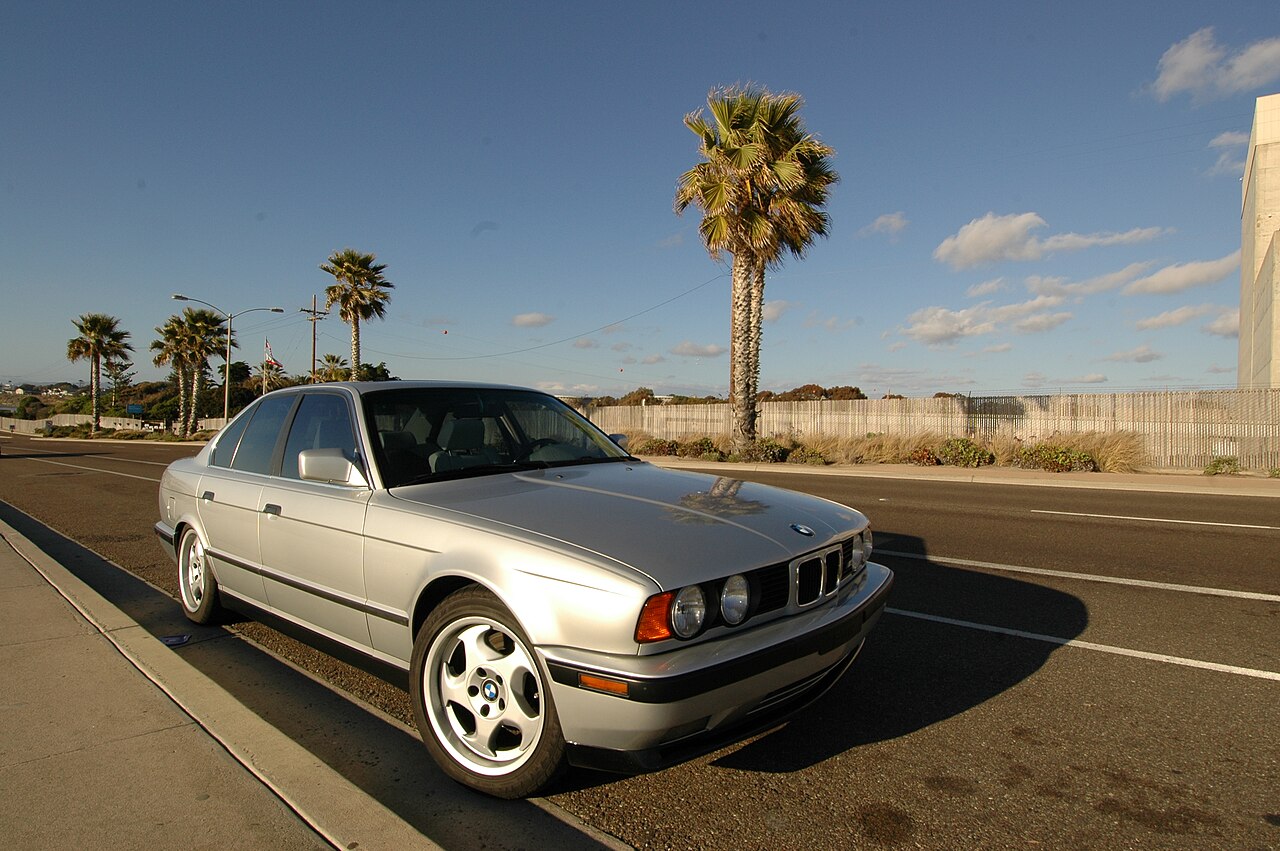
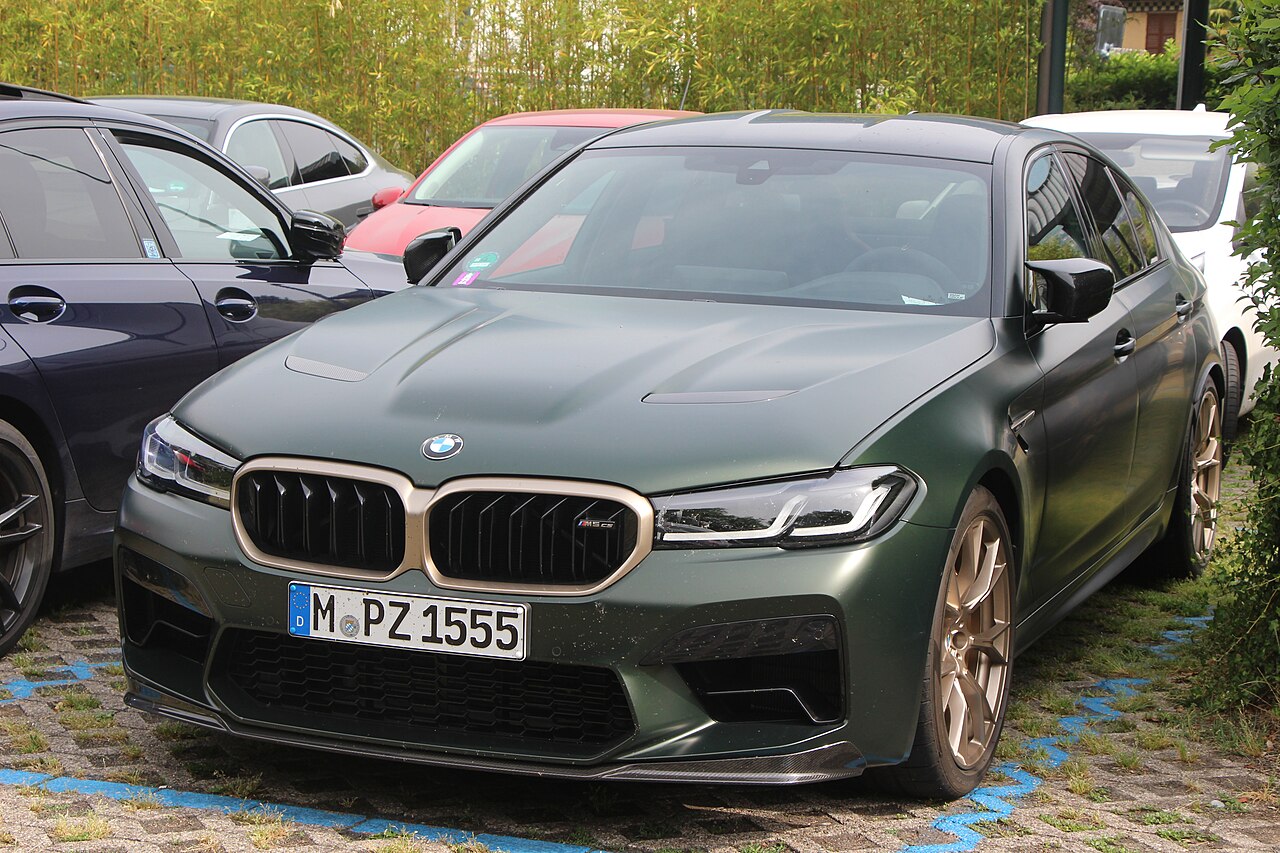
The 2027 BMW M5 electric sedan delivers an EPA-estimated range of 280 miles, making it competitive for midsize luxury EVs. It achieves a combined efficiency rating of 14 MPGe, which varies between 12 MPGe in city driving and 19 MPGe on highways. Charging times are convenient, with an EPA-estimated 2.00 hours required for a full charge at 240 volts. Importantly, the vehicle has no outstanding recalls reported by NHTSA at this time, enhancing buyer confidence.
Key Findings
- The BMW M5 EV achieves a competitive EPA range of 280 miles, suitable for daily driving and longer trips.
- Efficiency varies with driving conditions: 12 MPGe city versus 19 MPGe highway.
- Charging with a Level 2 home charger takes approximately 2 hours for a full replenishment.
- The vehicle currently has zero recalls reported by NHTSA, indicating no known safety or compliance issues.
Understanding EPA Range and Real-World Driving
The 2027 BMW M5 EV’s EPA range of 280 miles represents an average achievable distance under controlled testing conditions. Buyers should expect that real-world range will vary due to factors such as weather, speed, terrain, and accessory usage. This range is suitable for typical urban and suburban use, as well as moderate longer trips with planned charging stops.
Energy Efficiency Across Driving Conditions
Efficiency ratings show a difference between city and highway environments. The M5’s 12 MPGe city rating reflects stop-and-go traffic scenarios, while the better 19 MPGe rating on highways points to more efficient cruising speeds. Buyers valuing highway performance or primarily highway travel will benefit from this higher efficiency compared to city use.
Charging Capabilities and Considerations
The vehicle supports Level 2 charging at 240 volts, allowing a full charge in roughly 2.00 hours. For home owners with compatible chargers, this enables overnight or short downtime charging with minimal inconvenience. Knowing the exact charging duration helps with trip planning and evaluating charging infrastructure needs.
Recall Status and Safety Assurance
Data from NHTSA indicates zero recalls currently affecting this model. This implies the 2027 BMW M5 EV has no outstanding manufacturer safety issues or defects that require remedy. Buyers can be reassured by this status but should monitor future updates, as recalls can emerge later as vehicles age or as new information arises.
Routine Maintenance Insights for the 2027 BMW M5 EV
While electric vehicles generally require less maintenance than gasoline cars, regular checks remain essential. For the M5 EV, important maintenance tasks include battery health monitoring, brake system inspections, tire checks, and software updates. Following BMW’s recommended maintenance schedule ensures peak performance and longevity.
| Specification | Value | >
|---|---|
| EPA Range | 280 miles |
| Combined MPGe | 14 MPGe |
| City MPGe | 12 MPGe |
| Highway MPGe | 19 MPGe |
| Level 2 Charge Time (240V) | 2.00 hours |
| Number of Recalls (NHTSA) | 0 recalls |
Frequently Asked Questions
What is the EPA range of the 2027 BMW M5 EV?
It is rated at 280 miles by EPA standards.
How efficient is the 2027 BMW M5 EV in city and highway driving?
The city efficiency is 12 MPGe, and highway efficiency is 19 MPGe.
How long does it take to fully charge the BMW M5 EV at home?
A Level 2 charger at 240 volts can fully recharge the battery in about 2 hours.
Are there any outstanding safety recalls for the 2027 BMW M5 EV?
As of the latest data, there are 0 recalls reported by NHTSA.
What maintenance should BMW M5 EV owners keep up with?
Key maintenance includes battery monitoring, brake inspections, tire care, and following software updates, though overall maintenance needs are generally lower than gasoline vehicles.
Conclusion: Comprehensive Care for Peace of Mind
The 2027 BMW M5 electric sedan offers a solid EPA range, efficient energy use, and convenient charging capabilities that fit well for midsize luxury EV buyers. Its recall-free status adds safety confidence. Prospective owners should prioritize monitoring battery health and adhering to BMW’s maintenance schedules to enjoy reliable, long-term performance. Maintaining awareness of charging practices and updating software will further optimize the driving experience and vehicle longevity.