Best Electric Cars · EVCar Data Desk
2027 Volvo EX90 vs BMW M5: EPA Range and Recalls Analyzed
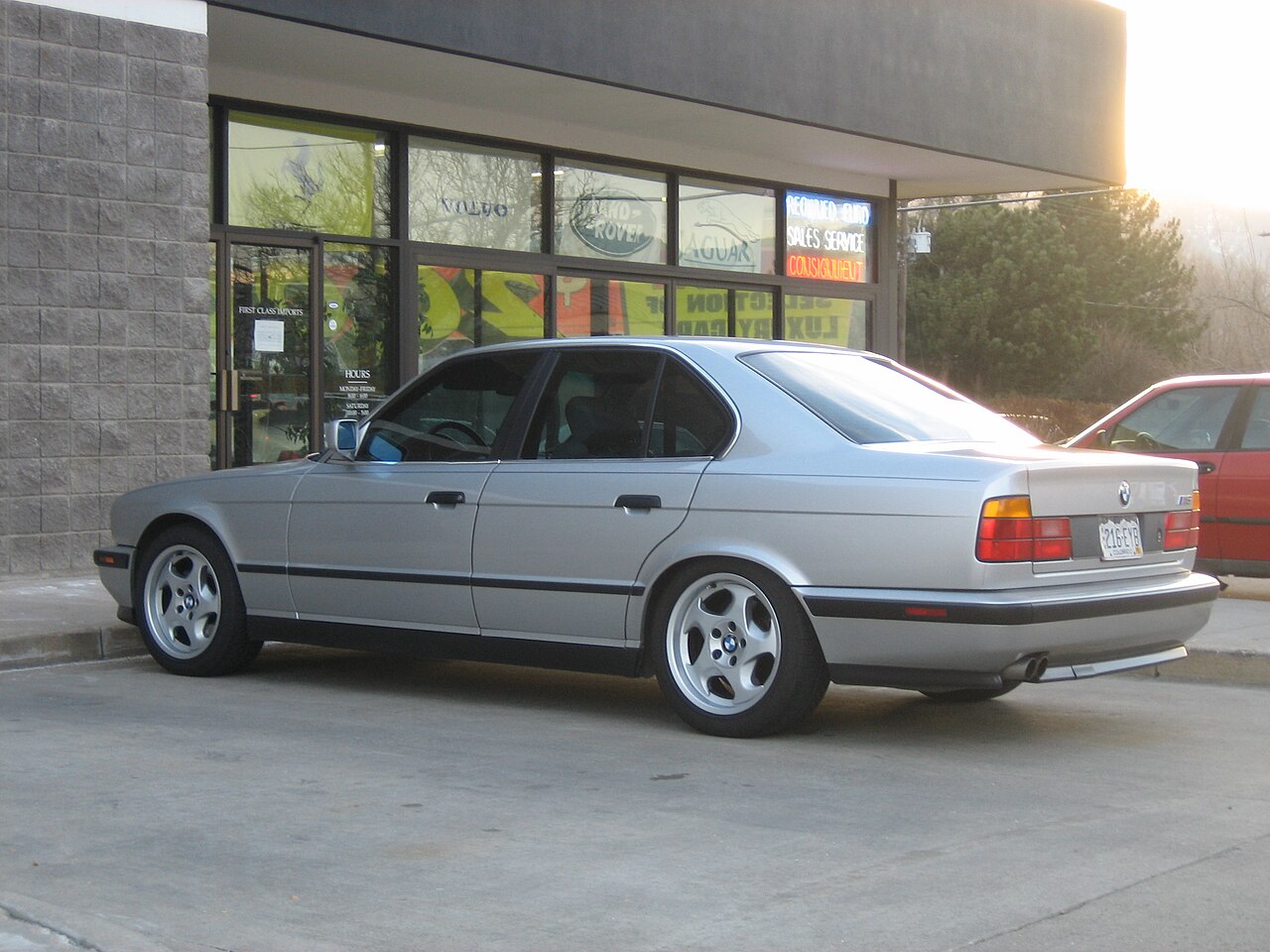
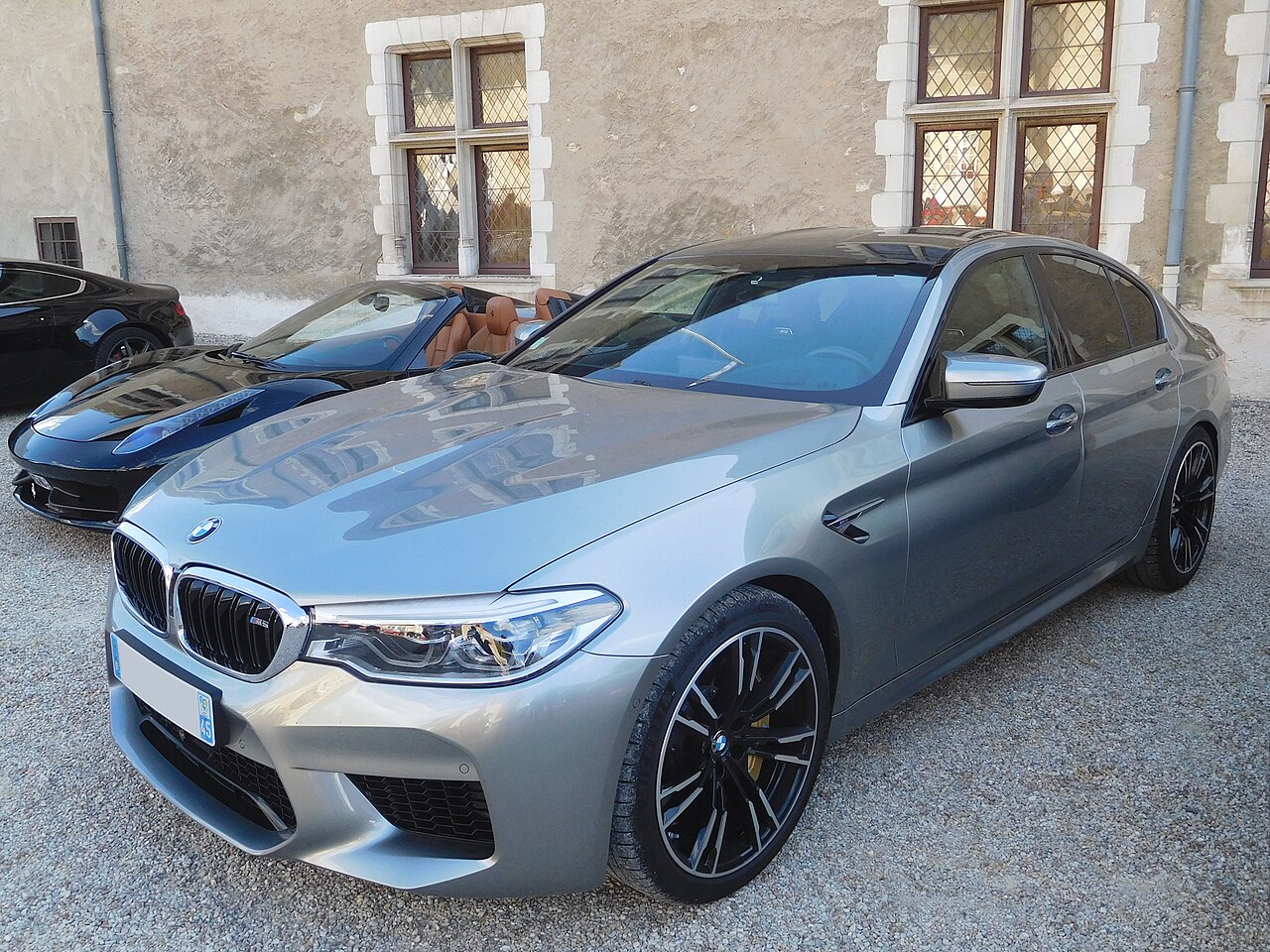
For buyers deciding between a high-tech electric SUV and a performance sedan in 2027, the Volvo EX90 Twin Motor with 21-inch wheels delivers a longer EPA-estimated range and significantly better energy efficiency than the BMW M5 sedan. Both vehicles currently have no recalls reported by NHTSA, reflecting solid safety reliability. Yet, these two models cater to different priorities, with the EX90 emphasizing electric efficiency and range, while the M5 focuses on sporty gasoline performance.
Key Findings
- The 2027 Volvo EX90 offers an EPA-estimated range of 310 miles, surpassing the BMW M5 sedan's 280 miles.
- Energy efficiency is dramatically higher for the EX90, with a combined MPGe of 89 MPGe, while the M5 achieves 14 MPGe.
- Both the Volvo EX90 and BMW M5 have zero recalls reported by the National Highway Traffic Safety Administration as of the latest data.
- The EX90 charges more slowly with a Level 2 (240V) charge time of 11 hours compared to the M5's 2 hours (note the M5’s shorter time is due to its plug-in hybrid system).
- The EX90’s city and highway MPGe ratings of 94 and 83 respectively highlight its efficiency advantage over the M5’s 12 city and 19 highway MPG ratings.
EPA-Estimated Range Comparison
The 2027 Volvo EX90 achieves a notable 310 miles of range per EPA estimates, granting it more usable electric mileage between charges. In contrast, the BMW M5 sedan, a midsize gasoline vehicle with hybrid assistance, reaches 280 miles on a full fuel tank plus battery charge. For buyers focusing on longer single-charge drives, the EX90 provides an edge, especially in all-electric mode.
Energy Efficiency: MPGe and Fuel Economy
The EX90’s combined rating of 89 MPGe reflects its design as a fully electric vehicle optimized for efficiency. Higher city efficiency (94 MPGe) means it performs very well in stop-and-go driving. The BMW M5’s lower combined rating of 14 MPGe illustrates the higher fuel consumption expected from its performance-oriented hybrid powertrain. This translates to more fuel usage and emissions for the M5, despite its hybrid technology.
Charging Time Differences
The Volvo EX90 requires approximately 11 hours to fully charge using a Level 2 (240V) charger, reflecting the larger battery and standard EV design. Meanwhile, the BMW M5’s significantly shorter Level 2 charge time of 2 hours is due to its plug-in hybrid drivetrain, which integrates a smaller battery alongside a gasoline engine. Buyers should consider their access to charging infrastructure and desired refuel times when choosing between these models.
Recall Status and Safety Considerations
Both vehicles currently have zero recalls reported by NHTSA, indicating no known safety or defect issues requiring manufacturer action. This parity suggests that from a recall standpoint, either choice maintains a high standard of safety and reliability.
Who Should Choose the Volvo EX90?
Buyers seeking an all-electric, mid-sized SUV with superior range and efficiency will find the EX90 compelling. Its high MPGe ratings and longer electric range make it suitable for environmentally conscious drivers and those prioritizing lower operating costs. The SUV body style also offers more passenger and cargo space compared to a midsize sedan.
Who Should Choose the BMW M5?
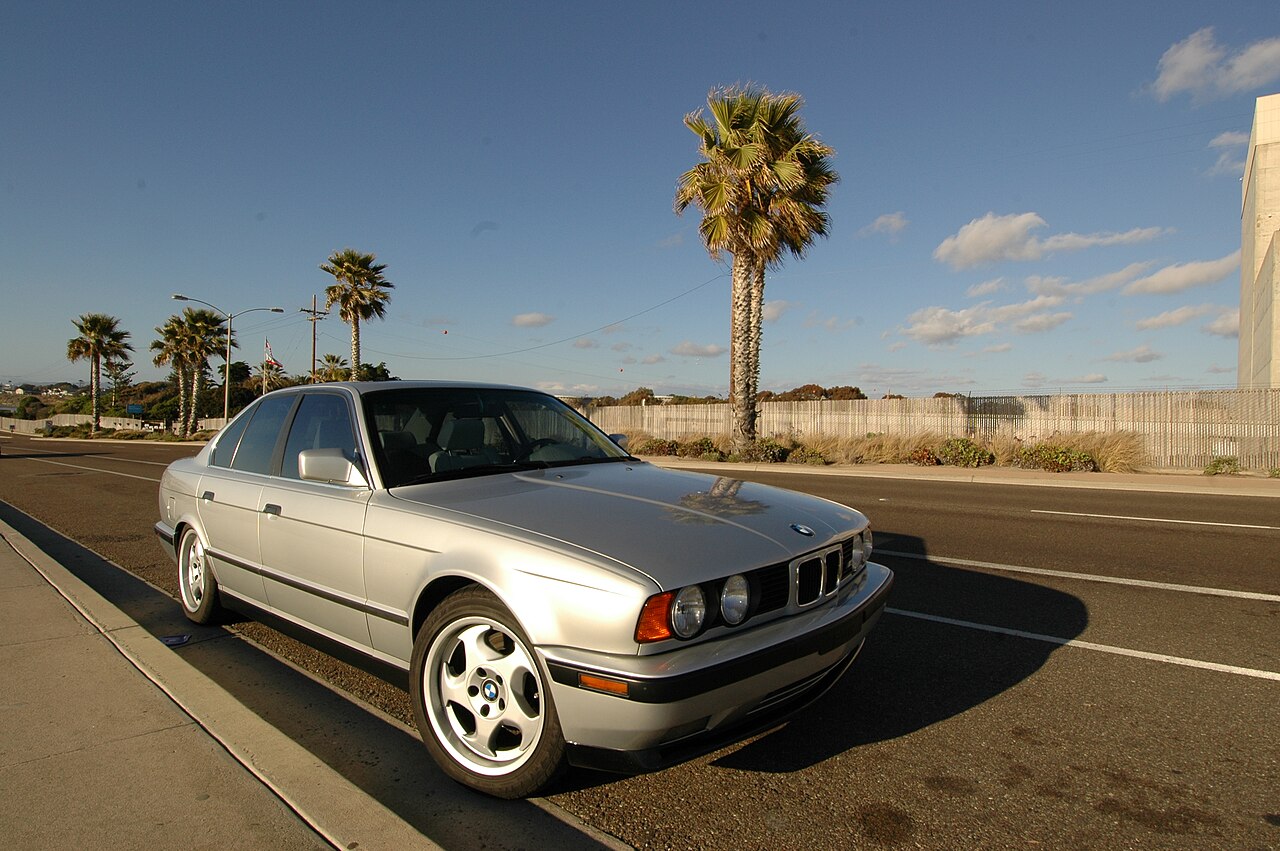
The BMW M5 is targeted toward buyers who prioritize sporty performance and driving dynamics offered by a celebrated gasoline/hybrid sedan. Though it has lower efficiency and range, it offers the immediate refueling convenience of gas combined with some electric assistance, appealing to enthusiasts desiring power and agility.
| Specification | Volvo EX90 Twin Motor SUV | BMW M5 Sedan |
|---|---|---|
| EPA Range | 310 miles | 280 miles |
| Combined MPGe | 89 MPGe | 14 MPGe |
| City MPGe | 94 MPGe | 12 MPGe |
| Highway MPGe | 83 MPGe | 19 MPGe |
| Level 2 Charge Time (240V) | 11 hours | 2 hours |
| NHTSA Recall Count | 0 recalls | 0 recalls |
Frequently Asked Questions
Which vehicle has a longer EPA estimated driving range?
The 2027 Volvo EX90 provides a longer EPA range of 310 miles compared to the BMW M5's 280 miles.
How do their energy efficiencies compare?
The Volvo EX90 is much more efficient with a combined rating of 89 MPGe versus the BMW M5's 14 MPGe.
Do either vehicle have any open recalls?
Currently, neither the Volvo EX90 nor the BMW M5 have any recalls reported by NHTSA.
What are the differences in charging times?
The EX90 takes about 11 hours to charge on a Level 2 charger, while the M5 completes charging much faster, in 2 hours, reflecting their different powertrain types.
Which vehicle is better for city driving efficiency?
The Volvo EX90 excels in city driving with an MPGe of 94 compared to the BMW M5’s 12.
Conclusion: Deciding Between Efficiency and Performance
The 2027 Volvo EX90 Twin Motor SUV stands out as the better choice for buyers prioritizing electric driving range and energy efficiency. Its longer EPA range and high MPGe numbers mean fewer stops to recharge and lower energy costs. Meanwhile, the BMW M5 sedan offers a performance-driven experience with the convenience of a hybrid powertrain but at the cost of much lower fuel efficiency and a shorter electric-only range. Both vehicles boast a clean recall history, underscoring strong initial reliability.
Ultimately, the decision hinges on whether you want an electrified SUV with superior range and efficiency or a sporty midsize sedan focused on power and quicker refueling.
Data Sources
- EPA Fuel Economy Data: fueleconomy.gov
- NHTSA Recall Database: NHTSA API